




When “Material” Issues Don’t Stay in Their Lane

We all love clean categories. “What impacts our business” in one box. “What we impact out there in the world” in another. It’s tidy, reassuring, and makes for a nice graphic in a report.
But anyone who has worked inside a business long enough knows the truth: what is important shifts, sometime slowly, sometimes dramatically.
And they shift in ways that matter and can dramatically affect a company.
I’ve watched this play out in real time. A company will dismiss something as not so important to their work. Often it affects a relatively small part of the business or doesn’t affect the core activities of the company. Water scarcity. Worker well‑being in the supply chain. Heat exposure for frontline teams. Community frustration about land use. These issues sit politely off to the side… until suddenly they don’t.
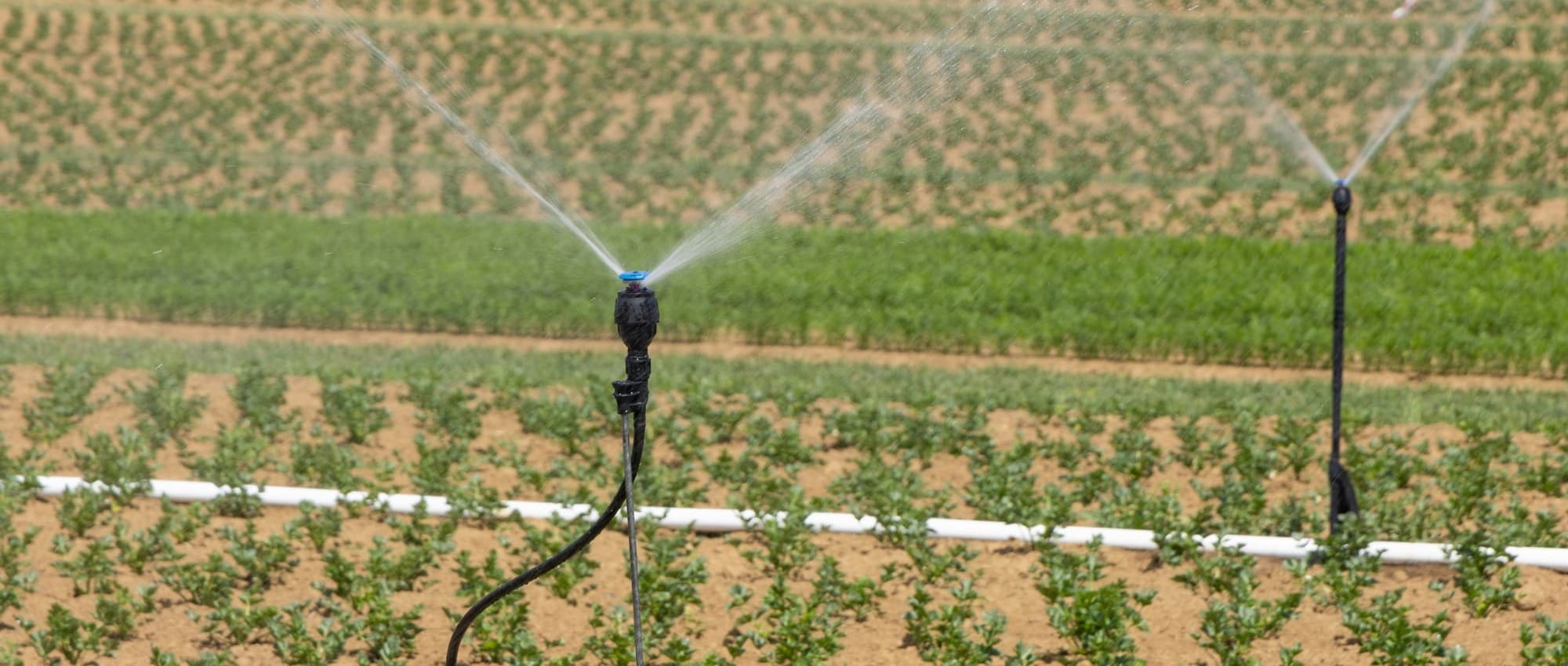
Then one day, someone in operations flags a disruption. Permitting slows down. A supplier has turnover problems (engage those supply chains!). A regulator accelerates a rule you thought was still years away. Insurance gets tighter. What seemed like an “external concern” is in front of you for immediate action taking time, energy, and capital to address.
And the reaction inside the company is almost always the same:
“We didn’t realize this was going to affect us.”
But it is possible to expect and prepare for many of these moments before they happen: Dynamic Materiality
Thinking about both the impact to society and the impact to your business of your activities is good strategic planning, not a moral argument or a branding exercise.
And the reality is that most organizations have seen this occur even in the last decade. Social expectations that have moved faster than expected. Environmental conditions that shifted in ways they hadn’t thought about. Leapfrogging regulations. Repositioning investors What used to take a decade now takes a season.
And when companies only look at materiality through a backward‑looking financial lens, they miss the first half of the story: what they affect, and how that impact eventually cycles back.
You see it with climate.
With water.
With human rights in supply chains.
With biodiversity.
With community trust.
The business world has spent years treating these as separate conversations. Financial materiality over here. Impact materiality over there. But in reality, they’re connected by a timeline. One is just earlier on the curve. The impacts begin as externalized costs accumulating as systemic risks that eventually become financial impacts.
The good news is that you don’t need a massive materiality project to start. You just need to stay curious about what’s shifting.
Often the earliest clues come from places companies don’t traditionally treat as “risk data”: what employees are worried about, what communities are pushing for, what customers are quietly beginning to expect, what a supplier is struggling with, what a single new policy proposal could mean if it becomes real.
None of this is precise. None of it fits neatly into a spreadsheet.
But it is directional. And directionality is often enough to adjust course before the cost of inaction spikes.
Dynamic materiality is really just the humility to say:
If you approach materiality this way, then you ask better questions and have fewer surprises. And your sustainability work stops being a reporting exercise and becomes what it was always supposed to be: a way to future‑proof the business by paying attention to the world it depends on.